Stop Water From Damaging Your Property
Drainage Control in Bluff City for properties experiencing standing water, runoff erosion, and moisture damage near structures
Standing water in yards, driveways with washout channels, and soggy areas that never fully dry signal drainage problems that worsen over time if not addressed. Holston Valley Land and Forestry installs drainage solutions across Eastern Tennessee and Southwest Virginia using site-specific approaches that redirect water flow and protect structures, driveways, and usable land from ongoing damage. Every property receives an evaluation of existing water flow patterns before work begins so solutions address the actual cause rather than just visible symptoms.
Drainage control involves grading adjustments, installation of drainage channels, and water management improvements that change how runoff moves across the property. Solutions may include reshaping slopes to redirect flow, installing culverts or swales to carry water away from problem areas, or creating retention features that slow runoff before it causes erosion. The approach depends on terrain, soil type, and where water accumulates during heavy rain.
Schedule a drainage evaluation to identify problem areas and review site-specific solutions based on your property's conditions.
What Proper Drainage Actually Accomplishes
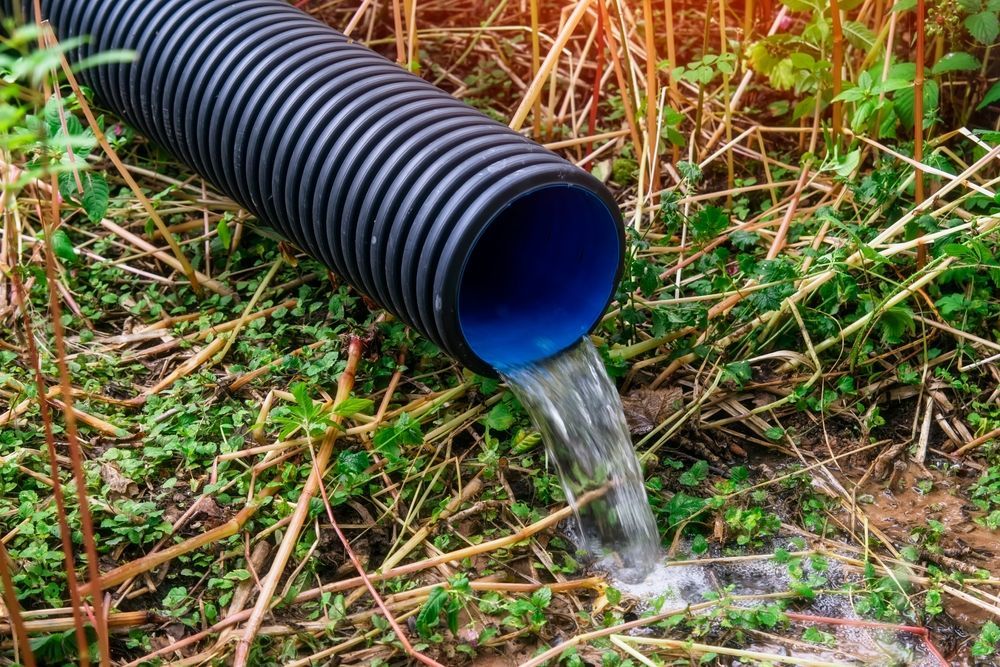
Drainage improvements change how water behaves during storms and after snowmelt, redirecting flow before it pools in low spots or carves new channels through soil. Channels are graded to carry water along controlled paths rather than allowing runoff to spread unpredictably across the property. Holston Valley Land and Forestry maintains clear communication throughout installation so property owners understand what each phase accomplishes and how the system functions once complete.
After drainage work is finished, areas that previously held standing water for days after rainfall will dry out within hours. Driveways and walkways no longer show erosion channels or washout patterns, and soil around foundations remains stable rather than saturated. These changes reduce the risk of long-term structural damage and prevent recurring maintenance costs associated with erosion repair.
Drainage projects often work alongside grading or erosion control services to provide comprehensive water management. The service focuses on installation and site modification but does not include ongoing maintenance of drainage features unless separately arranged.
Common Questions About Drainage Solutions
Property owners dealing with water problems often need guidance on how drainage improvements work and what changes to expect once the system is in place.
What causes standing water on properties in Eastern Tennessee?
Heavy rainfall, clay-rich soil, and natural terrain features combine to create areas where water collects rather than draining naturally, especially in low spots or near slopes that channel runoff.
How do drainage channels prevent future problems?
Channels provide a defined path for water to follow, moving it away from structures and problem areas before it can pool or erode soil.
When should drainage work be done?
Drainage improvements are most effective before seasonal rains begin, though urgent problems near structures should be addressed immediately regardless of season.
What factors affect the drainage approach used?
Soil composition, slope angle, water volume during storms, and proximity to structures all influence whether grading, channels, or retention features provide the best solution.
How long does drainage installation take?
Most residential drainage projects are completed within a few days depending on the size of the area being addressed and the complexity of the water flow patterns.
Holston Valley Land and Forestry evaluates each property's unique terrain and water flow challenges before recommending solutions. Call (423) 268-1316 to arrange an on-site assessment and discuss drainage concerns affecting your land.