
Protect Slopes and Disturbed Ground Permanently
Erosion Control in Bluff City for properties with runoff damage, unstable slopes, and soil loss affecting driveways and structures
Eastern Tennessee's terrain and weather patterns create conditions where erosion develops quickly once vegetation is removed or soil is disturbed by construction, grading, or natural runoff patterns. Holston Valley Land and Forestry installs erosion control solutions tailored to each property's terrain and environmental conditions, stabilizing soil and reducing damage caused by water movement during storms. Each solution is designed to improve both the functionality and appearance of the property while preventing ongoing repair costs associated with untreated erosion.
Erosion control involves stabilizing exposed soil through techniques that slow water flow, hold soil in place, and encourage vegetation regrowth where appropriate. Methods may include installing erosion matting, reshaping slopes to reduce water velocity, adding check dams or silt fences, or applying ground cover that anchors soil while allowing water to pass through. The approach depends on slope angle, soil type, and how much water moves across the area during heavy rain.
Request an erosion assessment to identify vulnerable areas and review corrective solutions suited to your property's conditions.
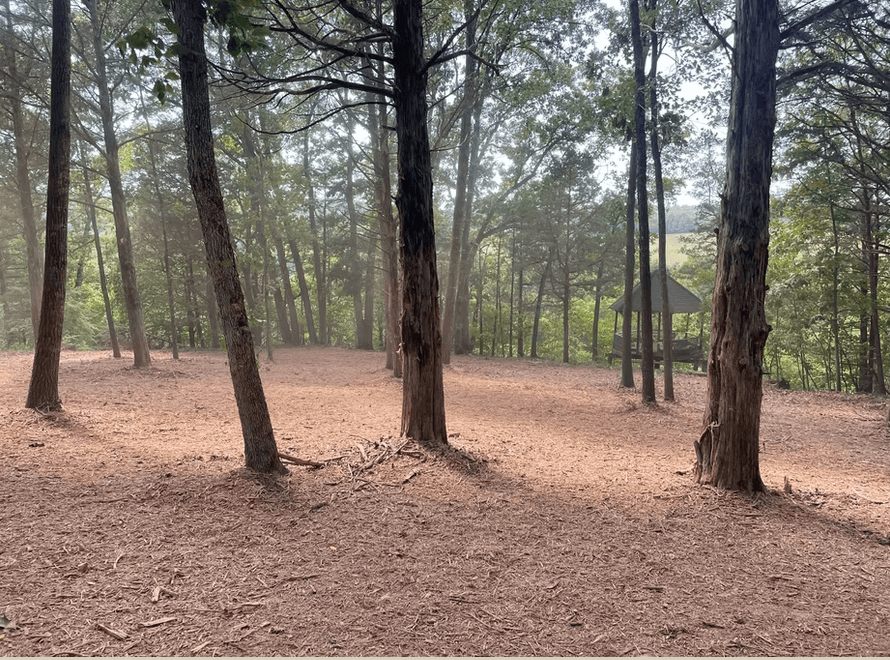
Why Erosion Requires Site-Specific Solutions
Erosion does not affect all properties the same way—sandy soil erodes faster than clay, steep slopes lose more material than gentle grades, and areas with high water volume require more robust stabilization than occasional runoff zones. Holston Valley Land and Forestry evaluates these variables before recommending control measures so the solution addresses the actual cause of soil loss rather than temporarily masking symptoms. Erosion control often works alongside drainage improvements to redirect water before it gains enough speed to move soil.
After erosion control measures are in place, slopes remain stable during storms instead of washing out, driveways no longer develop ruts or channels, and areas near structures stay intact rather than undermining foundations over time. You will notice that water flows along controlled paths without carving new channels or exposing roots and rocks that indicate active soil loss.
Erosion control focuses on stabilization and does not include ongoing landscaping or vegetation maintenance unless separately arranged. Properties with severe erosion may require grading or drainage work before stabilization methods can be installed effectively.
What Property Owners Typically Ask
Owners dealing with soil loss and slope instability often need clarity on how erosion control works and what long-term protection looks like once the work is complete.
What causes erosion on properties in Eastern Tennessee?
The combination of steep terrain, clay and sandy soils, and heavy rainfall creates conditions where water moves quickly across slopes, especially on disturbed ground where vegetation has been removed.
How does erosion control stabilize soil?
Techniques like erosion matting, ground cover, and slope reshaping slow water flow and anchor soil in place so it is not carried away during storms.
When should erosion control be installed?
Erosion control should be completed immediately after grading, clearing, or any activity that exposes soil, before the next rain event has a chance to cause damage.
What areas of a property are most vulnerable?
Slopes, drainage channels, driveways, and areas near structures where water concentrates are most likely to develop erosion problems if left unprotected.
How long do erosion control measures last?
Properly installed erosion control provides long-term protection, though some materials like erosion matting are designed to degrade over time as vegetation takes root and naturally stabilizes the soil.
Holston Valley Land and Forestry evaluates erosion risk and installs solutions that protect valuable land from ongoing damage. Call (423) 268-1316 to schedule an on-site evaluation and discuss corrective measures for your property.