Access Routes Restored Without Complete Replacement
Driveway Reconditioning in Bluff City for washboard surfaces, ruts, and material redistribution
Gravel and dirt driveways develop washboarding, potholes, and rutted tracks over time as traffic pushes material to the edges and weather erodes the driving surface. Holston Valley Land and Forestry provides driveway reconditioning across Bluff City and throughout eastern Tennessee and southwest Virginia, using specialized grading and raking equipment to redistribute existing material and restore smooth, even surfaces. This approach often eliminates the need for new gravel delivery, making it a cost-effective alternative to complete driveway replacement while extending the lifespan of residential driveways, farm lanes, and private access roads.
Reconditioning works by pulling material from the driveway edges back toward the center, breaking up compacted ridges that form between tire tracks, and grading the entire surface to proper crown and drainage slopes. The process addresses the uneven wear patterns that make driveways uncomfortable to drive and accelerate vehicle wear, while improved drainage prevents water from sitting on the surface and causing further deterioration.
Arrange an on-site assessment to determine whether reconditioning will restore your driveway or if additional material is needed.
What Changes After Driveway Restoration
Reconditioning starts with equipment that scarifies the compacted surface, breaking up the hardened ridges and washboard patterns that regular grading can't address. Specialized rakes pull displaced material back from ditches and edges into the driving lane, then grading equipment redistributes everything to create a crowned surface that sheds water to both sides. Multiple passes refine the grade and pack material into a firm, stable base that resists immediate rutting.
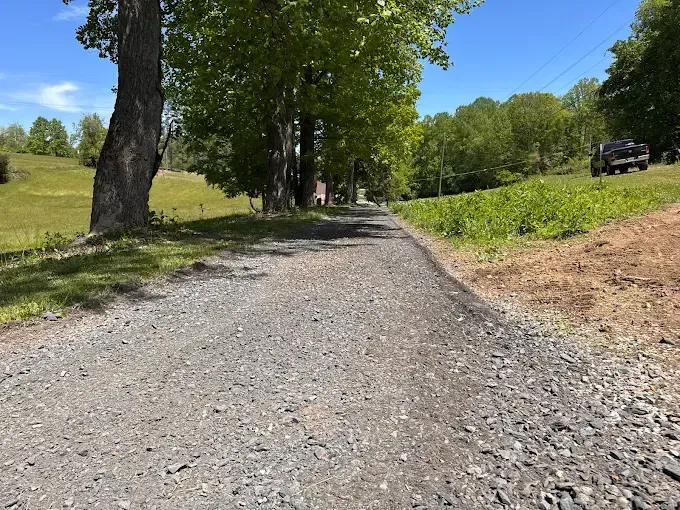
After reconditioning, the driveway feels smooth under tires instead of jarring over washboard ridges, vehicles track straight instead of following ruts, and water runs off to the sides instead of pooling in the center. The surface remains firm during rain rather than turning soft and muddy, extending the time before maintenance is needed again. For properties with long private roads or multiple access routes, reconditioning makes regular upkeep practical without constantly hauling in new aggregate.
The service works best when enough material still exists on the driveway—if the base layer has eroded down to bare soil or large sections have washed away, new gravel placement may be needed before or after reconditioning. Timing matters too, since working the surface during dry conditions produces better compaction and longer-lasting results than attempting reconditioning on saturated ground.
Answers to Frequent Service Questions
Driveway reconditioning raises practical questions about when it works, what it costs compared to new gravel, and how long results last.
How do you know if reconditioning will work or if new material is needed?
If you can see aggregate material piled along the driveway edges or in ditches, reconditioning can likely pull that back into the driving surface, but driveways worn down to bare dirt in multiple spots typically need additional material for adequate depth.
What equipment makes reconditioning different from regular grading?
Specialized rakes with scarifying teeth break up compacted ridges and pull material from edges, working deeper into the surface than standard grading blades that just smooth the top layer without addressing underlying compaction problems.
How long does reconditioned driveway surface last in Bluff City?
Results depend on traffic volume and weather exposure, but properly reconditioned driveways typically maintain good driving conditions for one to three years before needing attention again, compared to washboarding that can develop within months on heavily used routes.
When is the best time to recondition a driveway?
Late summer and fall provide drier ground conditions that allow better compaction and material bonding, though the work can happen year-round when weather permits and the surface isn't saturated.
What maintenance extends reconditioning results?
Keeping ditches clear so water drains away from the driveway, filling small potholes promptly before they expand, and avoiding heavy loads during wet periods all help maintain the reconditioned surface longer between service appointments.
Holston Valley Land and Forestry handles driveway reconditioning with attention to drainage, material distribution, and surface compaction that affects long-term performance. Schedule a driveway evaluation to review your access routes and discuss reconditioning or material replacement options based on current conditions.